

Pamukkale, a UNESCO World Heritage Site, is a breathtaking destination in Turkey that offers a unique blend of natural beauty and historical significance. Known for its stunning white travertine terraces and the adjacent ancient city of Hierapolis, Pamukkale is a must-visit for anyone traveling to Turkey. This article will guide you through the wonders of this remarkable location, providing practical tips and insights to make the most of your visit.
Exploring the Travertine Terraces of Pamukkale
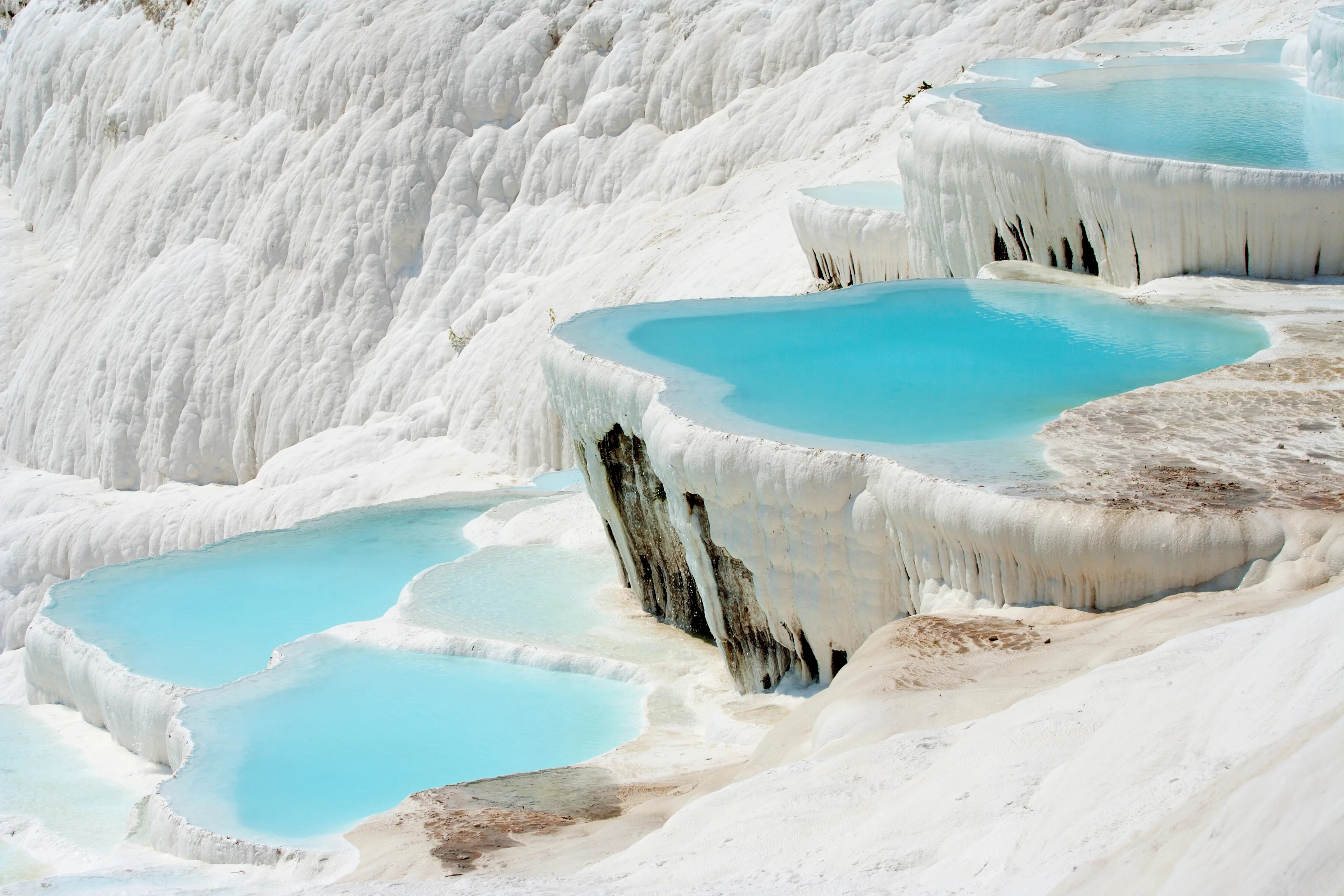
The travertine terraces of Pamukkale are a natural phenomenon formed over thousands of years by the flow of mineral-rich thermal water. The terraces appear as a series of white, cascading pools, creating a surreal landscape that is both beautiful and otherworldly. The water, rich in calcium carbonate, has built up over time to form the terraces, which are a sight to behold.
Visitors can walk barefoot along the terraces, enjoying the warm water as it flows over their feet. It's important to follow the designated paths to preserve the natural environment and ensure a safe experience. The terraces are open to the public from sunrise to sunset, and it's best to visit early in the morning or later in the afternoon to avoid the crowds.
For those interested in a more immersive experience, the nearby Pamukkale Thermal Pools offer a chance to relax in the mineral-rich waters. The Antique Pool, in particular, is a popular spot where you can swim among the ancient Roman columns that have fallen into the water over the centuries.
Discovering the Ancient City of Hierapolis
Adjacent to the travertine terraces lies the ancient city of Hierapolis, a testament to the region's rich history. Founded in the 2nd century BC, Hierapolis was a thriving Roman city known for its thermal springs and strategic location. Today, visitors can explore the well-preserved ruins, which include a grand Roman theatre, a large necropolis, and various temples and bathhouses.
The Roman theatre of Hierapolis is one of the most impressive structures, with a seating capacity of over 12,000 people. The theatre is remarkably well-preserved, and its acoustics are still impressive today. Walking through the theatre, you can imagine the vibrant performances and gatherings that once took place there.
The necropolis of Hierapolis is another highlight, featuring a vast array of tombs and sarcophagi. This area provides a fascinating glimpse into the burial practices of the ancient world and is a must-see for history enthusiasts. As you wander through the necropolis, you'll encounter various types of tombs, each with its own unique design and history.
Practical Tips for Visiting Pamukkale and Hierapolis
- When to Visit: The best time to visit Pamukkale is during the spring (April to June) and fall (September to November) when the weather is mild and the crowds are smaller.
- Getting There: The nearest major city is Denizli, which is well-connected by bus and train from other parts of Turkey. From Denizli, you can take a short bus or taxi ride to Pamukkale.
- Accommodation: There are several hotels and guesthouses in the area, ranging from budget-friendly options to more luxurious accommodations. Staying overnight allows you to experience the terraces at different times of the day and avoid the day-tripper crowds.
- What to Bring: Wear comfortable shoes for walking on the travertine terraces and bring a swimsuit if you plan to visit the thermal pools. Don't forget sunscreen, a hat, and plenty of water, especially during the warmer months.
Pamukkale and Hierapolis offer a captivating blend of natural wonders and historical treasures. Whether you're walking along the white travertine terraces or exploring the ancient ruins of Hierapolis, you're sure to be enchanted by the beauty and history of this remarkable destination. With its stunning landscapes and rich cultural heritage, Pamukkale is a destination that should not be missed.
So pack your bags, grab your camera, and get ready to discover the magic of Pamukkale and Hierapolis. Your adventure awaits!


