
Small Voyage runs small-group tours across the Mediterranean and Aegean — Türkiye and Greece, and the islands in between. Where we go, who we work with, and how we run the day matters as much as what you see along the way. This page is the short version of what we mean by that.
Local communities & cooperatives

Where we can, we route the day through women's weaving co-ops in Cappadocia and Anatolia, family olive groves along the Aegean coast, and small pottery workshops that have been doing the same work for generations. These are the places we'd go as friends visiting the region — not arranged stops, but the kind of stops that change the shape of the trip.
By choosing Small Voyage you're putting money directly into these places — a morning spent watching a carpet being woven, an afternoon in a family olive press, a meal cooked in someone's home. The size of our groups is what makes any of this possible: eight people fit through a workshop door; thirty do not.
Heritage & archaeology preservation
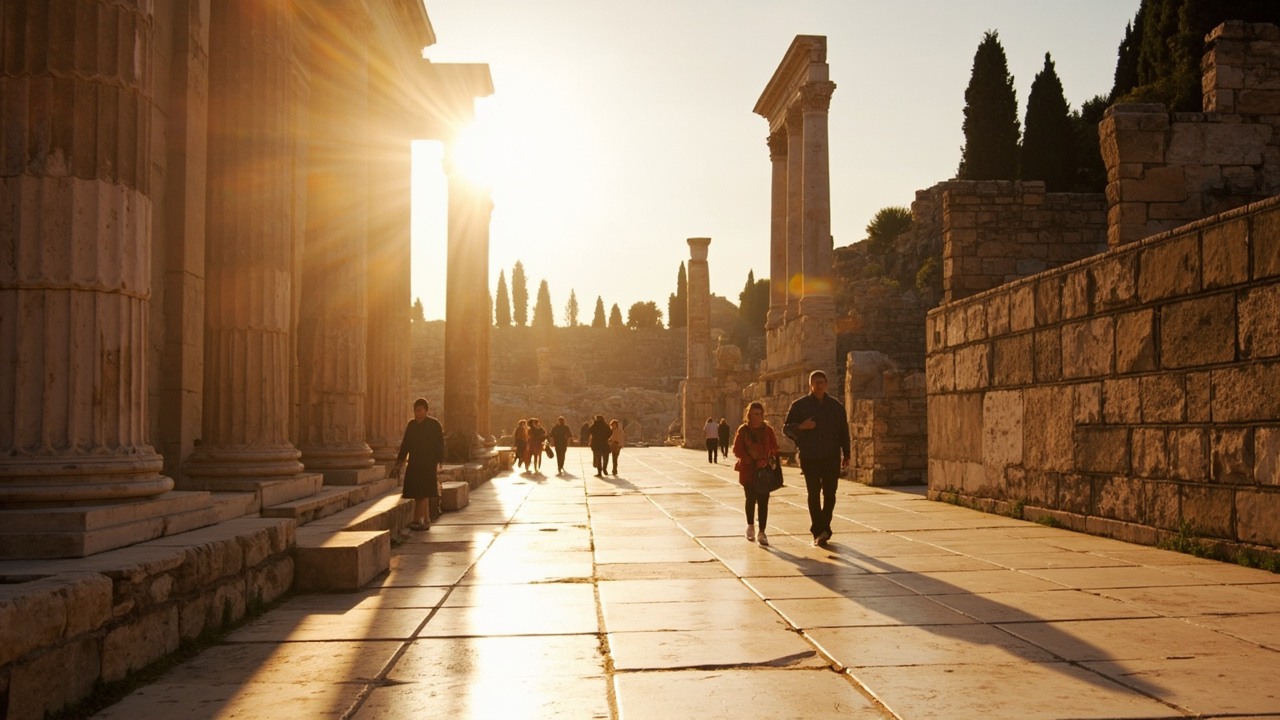
Türkiye and Greece hold some of the most-visited archaeological sites on earth, and some of the most fragile. We work only with licensed local guides at places like Ephesus, Cappadocia, Delphi and the Acropolis — guides who are trained by the site authorities, who know what's been recently excavated, and who take the rules about where you can and cannot step seriously.
A small group changes what a heritage visit can be. Instead of crowding onto a tour-bus circuit, we can time arrivals to miss the coach parties, walk the site at a pace that lets you actually read the stones, and spend longer in the museum afterwards without holding anyone up. The site is the point — not the photo of you standing in front of it.
Coastal & marine stewardship
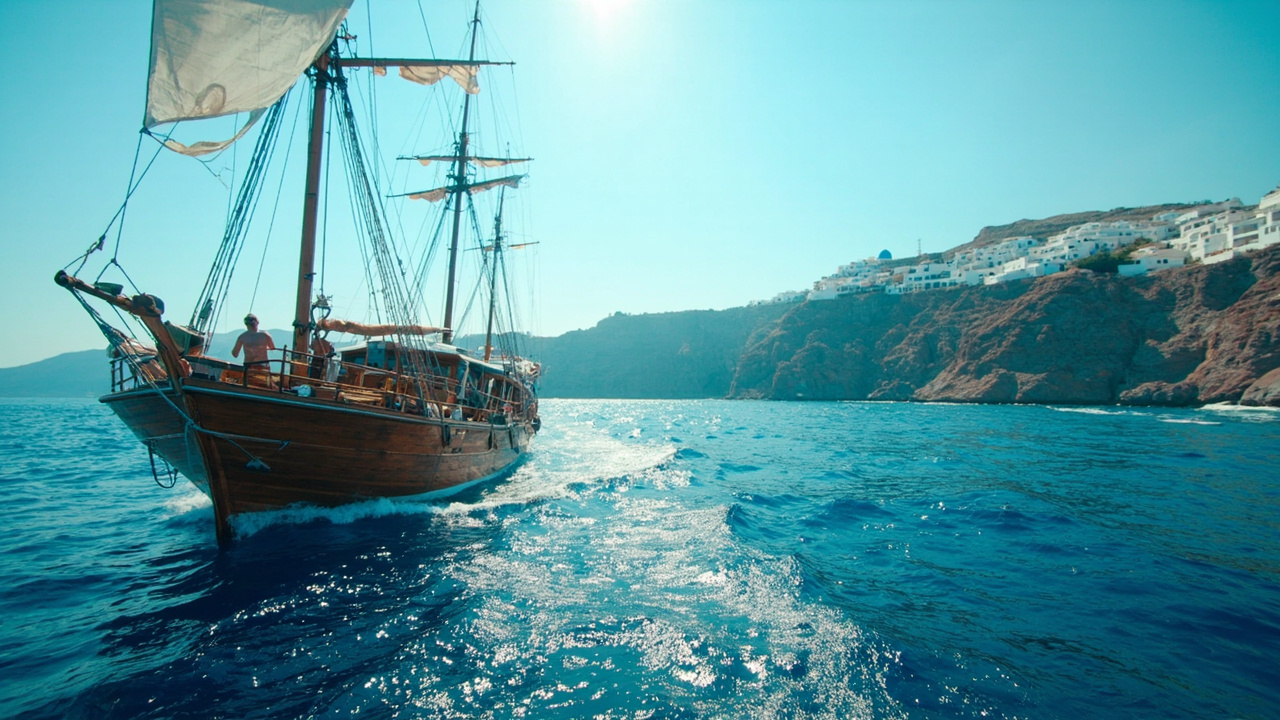
The Aegean and the Mediterranean coast are where most of our trips end up, and they're under more pressure than almost any coastline in Europe. Where we can, we walk our groups along beaches we help keep clean, sail with skippers from the islands we visit rather than on floating tour buses, and eat at the family tavernas on the back streets instead of the waterfront chains.
The economic effect of this is straightforward: a small group that stays three nights on Santorini and eats at the same family-run taverna three times is the kind of visitor the island needs. We're not trying to add to the cruise-ship pressure on places like Mykonos or Bodrum — we're trying to send travelers to the islands that actually want them.
Why small groups matter economically
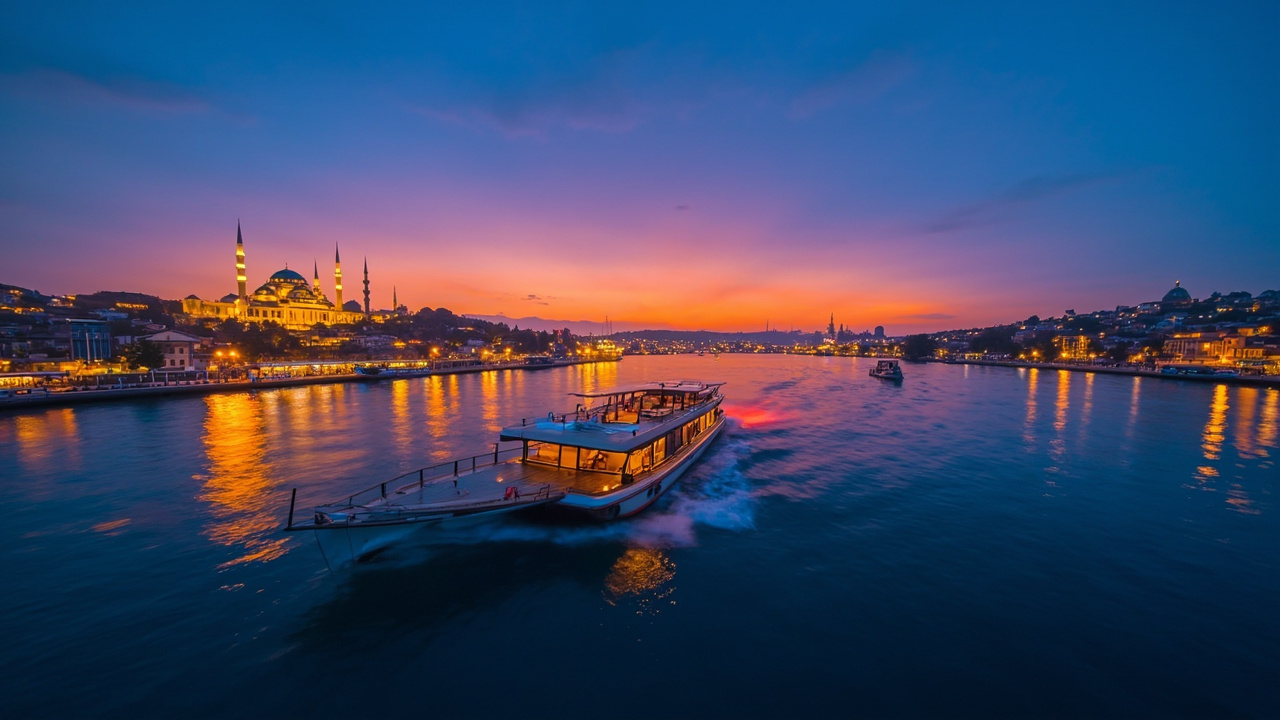
The cap of eight travelers is also the most direct thing we do for the local economy. Eight people in one vehicle means one driver, who owns his own car and gets paid fairly for the day. Eight people in a taverna means one long table where the owner takes your order, not a section closed off for a tour group. Eight people in a carpet shop means the weaver can talk to you herself for twenty minutes without the shop needing to upsell you on anything.
This is the part of the commitment that doesn't photograph well. It isn't a partnership with a foundation or a label on a brochure — it's the daily effect of how we choose to run the trip. Every Small Voyage departure leaves a meaningfully different footprint on the region than a coach tour does, and most of that is just because it's smaller.
If any of this matches the way you like to travel, we'd love to have you on a trip. Have a look at what's on the calendar — or get in touch and we'll help you find the right one.